On the waterIbiza
What a charter deposit on Ibiza actually covers
All year
Every boat rented on this island is handed over against a sum of money that is blocked, transferred or waived. It is held against far more than a scratch: fuel, cleaning, a lost fin, a late return, and on Ibiza a category of fine that exists nowhere inland. What the deposit is for, and how to get all of it back.
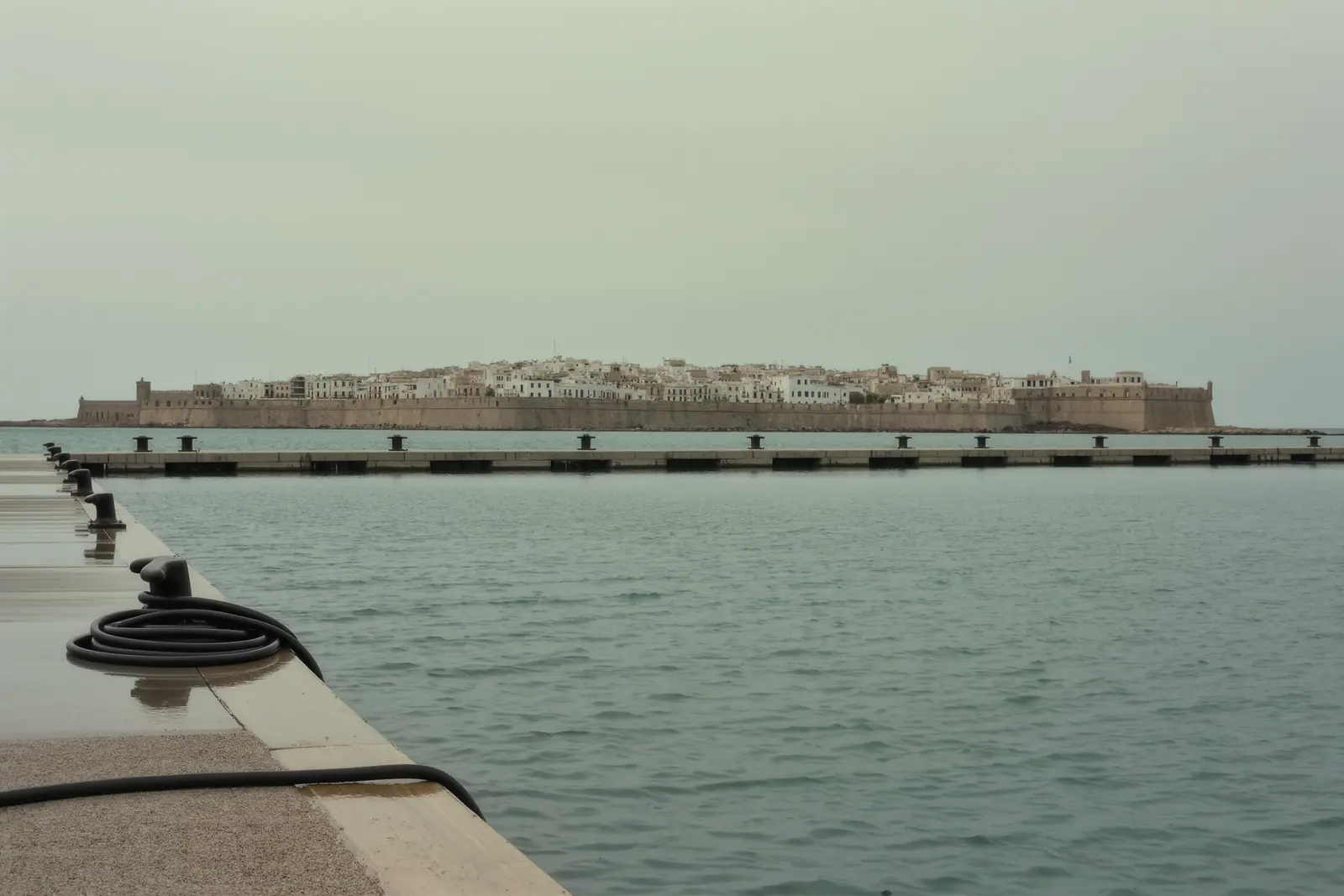
The deposit is the largest number on most Ibizan boat rental contracts and the one people read least carefully. On a small open boat out of Sant Antoni it might be a few hundred euros blocked on a card at the jetty. On a catamaran out of the harbour in Ibiza town it can be several thousand moved by bank transfer a week before you arrive. Either way it is not a fee, it is a security, and the argument about it happens on the last afternoon when everyone is tired.
Here is what it is actually standing behind.
Four mechanisms, four different experiences
| Mechanism | What happens to the money | When you see it again | Where it bites |
|---|---|---|---|
| Card pre-authorisation | Blocked, not taken | Released after the return check, then a few days to clear | Needs real headroom on the card in August |
| Bank transfer | Actually moves | Returned on their schedule, often 7–14 days | You are an unsecured creditor until it lands |
| Cash at the jetty | Handed over, counted back | Same day, usually | No paper trail unless you insist on a receipt |
| Damage waiver | Non-refundable payment instead | Never — you have spent it | Read the exclusions, which are the whole product |
The mechanism decides how a dispute feels. With a card block, an operator who wants to charge you has to actively capture the funds and you can contest it with your issuer. With a transfer, the money is already theirs and you are asking for it back. That asymmetry is worth a small premium on the day rate.
What it is held against, in order of how often it happens
Damage is what everyone imagines. It is not what most deductions are for.
Fuel. Nearly every boat here goes out full and must come back full. The fuel berth queue in Ibiza town on a Saturday evening is real, and people skip it. The refill charge applied by the base is above pump price and there is usually a handling fee on top.
Cleaning. Sun cream, sand, wet towels on upholstery, and the small amount of red wine that always ends up on a white cushion. Boats are turned round in an hour or two in season and a deck that needs more than a hose costs you.
Late return. Charged by the started hour on most contracts. It is the single easiest deduction to avoid and the most commonly incurred, because groups misjudge the run home from Formentera against an afternoon breeze.
Missing equipment. Snorkels, a paddleboard fin, a fender, the boarding ladder pin, a cockpit cushion that blew away at twenty knots. Count them out and count them in.
Damage. Propeller and drive leg first, from sand banks and from picking up a mooring line in a hurry. Then the hull underside, then the bathing platform, then fenders crushed against a stone jetty in a crosswind.
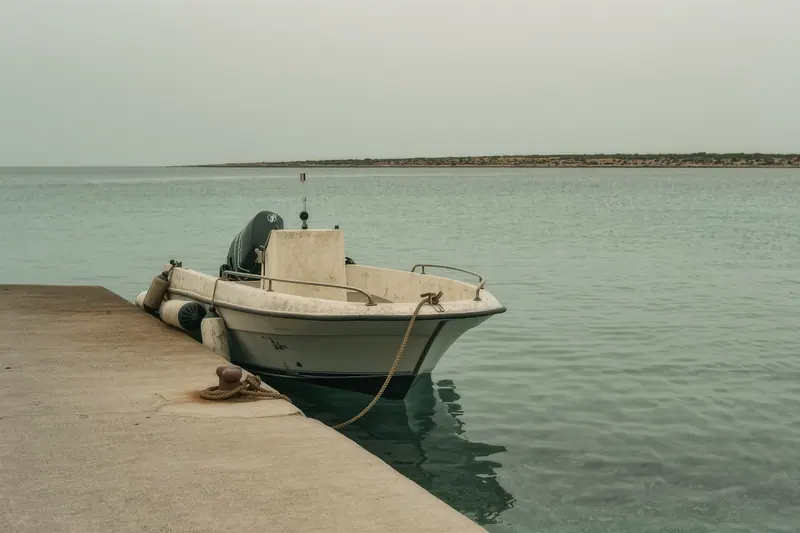
The Ibizan category: fines that arrive later
This is the part that differs from renting a boat on a lake or a river, and it is the reason some operators here hold deposits for weeks after the boat is back.
Large areas of seabed around this island and the channel south of it are protected, and the rules on where a boat may anchor are enforced in season by patrol vessels. Penalties connected with anchoring in a prohibited place are administrative, they attach to the vessel, and they reach the registered owner after the fact — sometimes long after. The operator’s protection against paying for something you did is your deposit.
Two consequences. First, ask explicitly whether the contract lets them deduct post-return penalties, and for how long they retain the right. Second, do not rely on a verbal “just anchor anywhere over there”. Where you may drop an anchor is covered properly in anchoring over posidonia, and getting it wrong is a deposit problem before it is anything else.
Mooring and port charges behave the same way. A night alongside somewhere you were not authorised to be, or an overstay in a visitor berth, lands on the boat.
Getting the whole thing back
- Photograph everything at handover. Full circuit of the hull from the pontoon, the propeller with the leg tilted if you can, the transom, the upholstery, the fuel gauge and the engine hours. Timestamps on.
- Sign the inventory, having read it. If a fender is already split, write it on the sheet and get an initial next to it.
- Refuel before the last hour. Not after. In Ibiza town the fuel berth is the bottleneck; in Sant Antoni it is the jetty itself.
- Come back early. Thirty minutes of slack costs you nothing and removes the most common charge on the list.
- Do the return walk-round with them. Do not hand the keys over and leave. A signed-off return check is what closes the file.
- Get the release in writing. An email saying the deposit is released is what you need if the block is still on your card ten days later.
What is usually excluded, whatever you paid
Basic cover on a rented boat almost never includes the propeller, the drive leg or the underside of the hull. It rarely includes anything the contract can call negligence, which in practice means grounding, hitting a known mark, or being somewhere the contract said you could not be. On the west coast that last one matters: a small hull taken outside its stated distance from shore is uninsured for the whole trip, not just for the part where it went too far. The limits on a Sant Antoni speedboat are tighter than most people assume.
If you take one thing from this: ask for the exclusion list in writing at booking rather than at the jetty. An operator who will not send it is telling you something useful about how the last afternoon is going to go. This applies just as much on the small licence-free hulls, where the deposit is smaller but the exclusions are frequently wider.
What to check before you book
- Get the mechanism named in the booking: card authorisation, bank transfer, cash, or a damage waiver product. They behave completely differently when something goes wrong.
- Ask for the written exclusion list. Propeller, drive leg, hull underside and anything called negligence are the four that usually sit outside cover.
- Ask whether administrative fines received after your return are chargeable to the deposit, and for how long they hold it.
- Photograph the whole boat at handover including the propeller, the transom, the upholstery and the fuel gauge, with the timestamp on.
- Count the loose equipment at the jetty against the inventory sheet: fenders, boat hook, snorkels, paddleboard fins, cushions, the boarding ladder.
- Confirm the release timetable in days, and whether it starts at return or at the end of the month.
Questions people actually ask
- How big is a boat deposit on Ibiza?
It scales with the boat. A small licence-free hull is typically a few hundred euros, a mid-size day boat runs into four figures, and a cruising yacht or catamaran can be several thousand. What matters more than the number is whether it is a card block, real money moved by transfer, or replaced by a waiver, because that decides how quickly you see it again.
- Is the deposit the same as an excess?
Not always, though on small boats they are frequently set at the same figure. The excess is the maximum you can be charged for a single incident before insurance takes over. The deposit is the security held to make that charge collectable. A contract can hold a deposit lower than the excess, which means you can be billed for more than was blocked.
- What is most often deducted?
Fuel, cleaning and late return, in that order — not damage. Damage makes the stories, but the routine deductions are a tank that came back three-quarters full, a deck that needed washing down after a day of sun cream and sand, and an hour of overrun on a boat that had an evening booking behind it.
- Can a fine be taken from my deposit after I have gone home?
That is exactly why some operators hold the deposit for a period after return. Administrative penalties connected to a boat, including those relating to anchoring in protected areas, reach the owner rather than the person who was aboard. Ask how long they hold and on what grounds they can deduct, and get the answer before you pay.
- Should I buy the damage waiver?
If the deposit is large enough that having it blocked would affect the rest of the trip, yes, because it converts an unpredictable exposure into a known cost. If you have the headroom on the card and you are hiring a small boat for a day, it rarely pays. Read what it excludes before deciding — a waiver that carves out the underside of the hull is not much of a waiver on this coast.