PlacesIbiza
Long winter lets on Ibiza, and who actually takes them
Nov–Apr
Every October a parallel rental market opens on Ibiza and closes again in April. Houses that let by the week in August go by the month, at a fraction of the rate, to a very specific set of people. What appears, when it appears, what a winter let is actually like on this island, and the traps in a seasonal contract.
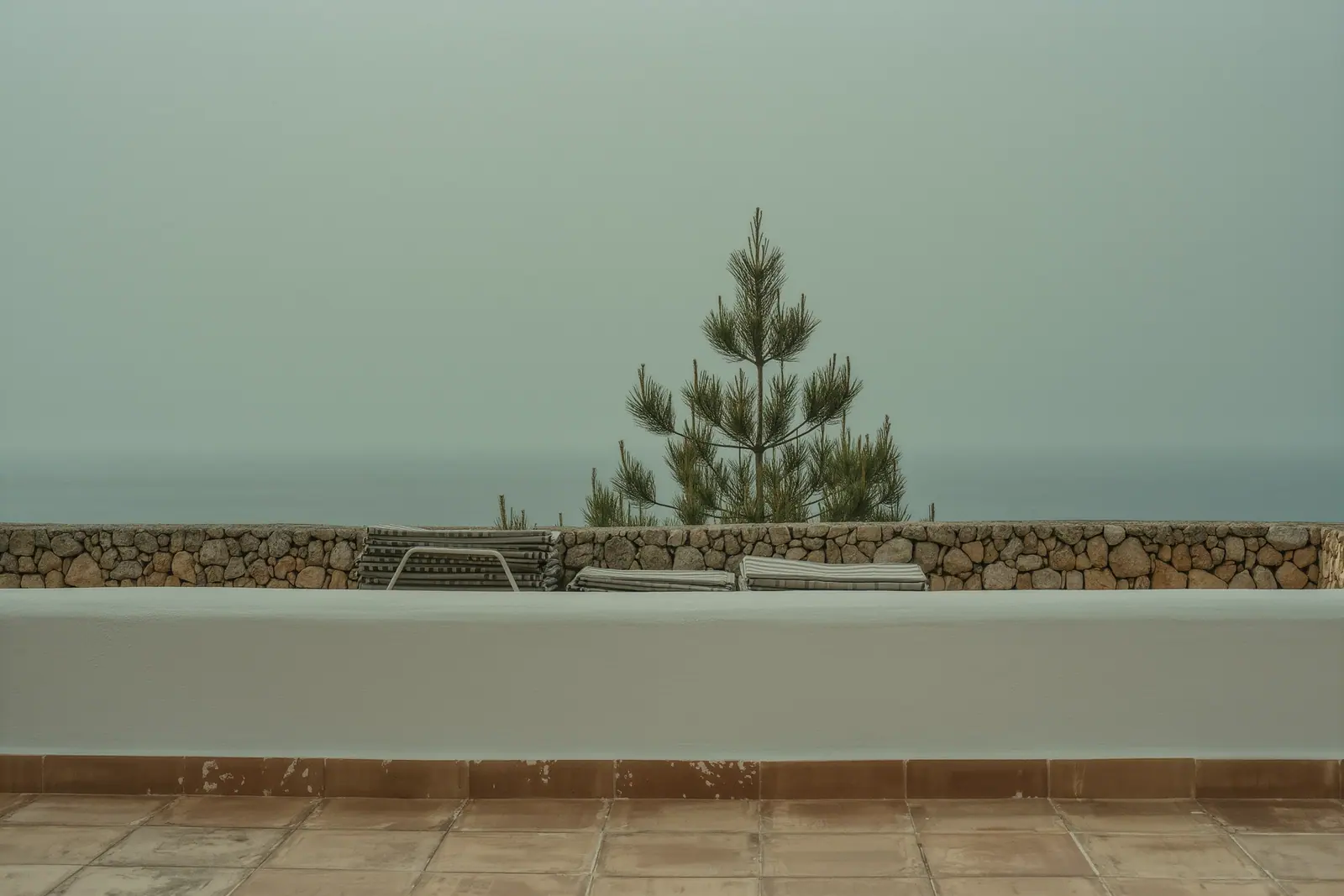
The last airport transfer of the season goes through in October, the linen company collects, and a good proportion of the island’s rental housing simply stops. Some of it is shuttered until May. The rest goes onto a completely different market, at a completely different price, for a completely different kind of tenant.
If you have only seen Ibiza between June and September, the winter version is worth understanding, because it is where the island actually lives.
What comes onto the market, and when
Owners face a decision at the end of the season: leave the house empty for seven months, or take a winter tenant at perhaps a tenth of the weekly summer rate, accepting the wear and the awkwardness of getting it back in time.
Most decide in late September. The consequence is a short, concentrated window.
| When | What is available | Competition |
|---|---|---|
| Late Sep – mid Oct | The best of it, including good houses | Heavy, and mostly local |
| Late Oct – Nov | Steady flow, some price movement | Moderate |
| Dec – Jan | Thin. Short lets, odd properties | Light |
| Feb – Mar | A second small wave as tenants leave early | Light |
| Apr | Market closes. Owners want houses back | — |
Almost none of this is advertised where a visitor would look. Winter stock moves through local agencies, village noticeboards, community groups and word of mouth, often before it appears online at all. Being on the island in October is worth more than any amount of searching from elsewhere.
What the contract is
This is the part that catches people. A winter arrangement here is normally a seasonal lease — a defined-term rental for a stated period, distinct both from a standard residential tenancy with its longer terms and stronger security, and from the registered tourist letting that governs your August week. Different instrument, different protections, different paperwork.
Two practical consequences. First, the registration number that matters so much for a summer holiday let is not the relevant document here, so do not go looking for it. Second, the end date is load-bearing. Owners need the property back before the season, and an end-of-April date that slips into May is a genuine problem for them. Get it written, and get any extension mechanism written too.
Cold, damp and the way these houses are built
Ibizan winters are mild by northern standards and wetter than people expect. The problem is not the temperature outside; it is that most of the housing stock was designed to shed heat.
Traditional fincas have thick stone walls, small windows and stone or tiled floors. In July that is brilliant engineering. In January it means a house that holds cold, gets damp in a wet week and takes a long time to warm. Modern villas have glass and air conditioning units that will heat a room but do it expensively.
Ask three things before signing: what heating exists in each room, whether there is a wood burner and whether wood is included, and what last winter’s electricity bills looked like. A tenant who does not ask discovers the answer in February, which is the wettest stretch and the point at which the Tramuntana wind arrives from the north.
The other seasonal fact is water. After a dry summer, wells and cisterns start the winter low, and the rain that refills them arrives in bursts. Rural houses occasionally still need a tanker in November.
Where to base yourself out of season
Location logic inverts completely. In August you want the coast and the view. In January you want a functioning town.
- Ibiza town and Jesús. Everything open, schools, hospital, ferries, the broadest choice of winter rentals. The most expensive option and the easiest.
- Santa Eulària des Riu. A proper year-round town with a long flat seafront, markets and services. The best compromise for most people, and the easiest place to keep cycling through winter along the coastal path.
- Sant Antoni. Cheap in winter, and quiet in a way that some people find restful and others find bleak.
- Sant Josep and the west. Beautiful, well connected by road, thinner on services once you leave the village.
- The north. Sant Joan, Sant Miquel, Santa Agnès. Cheapest, most beautiful, and genuinely remote in bad weather. Almond blossom on the Corona plain in February is the reward, and it is not a small one.
What winter actually offers
Roads with nothing on them. Calas you can park at. Es Vedrà with no boats in front of it. Hiking on the coastal paths in fifteen degrees. A cycling season that runs from February to May, which is why the island fills with riders while the beach bars are still shut — the argument in road cycling on Ibiza in spring.
And a specific kind of boredom, usually around late January, when it has rained for six days and the nearest open restaurant is eleven kilometres away. People who do a winter here twice have worked out that the antidote is being in a place with a bakery, not a place with a view. Choose on that basis and the rest of it is the best time of year on this island.
What to check before you book
- Ask whether the contract is a seasonal lease or a tourist booking. They are different legal instruments with different protections.
- Get the end date fixed in writing. Owners frequently need the house back before the season starts.
- Confirm how the house is heated and what it costs. Most Ibizan properties are built for summer, not winter.
- Ask about damp. Stone fincas without heating get genuinely wet between December and February.
- Establish who pays electricity, water and any community charge, and whether meters are read at handover.
- Check the road and the mobile signal in winter conditions, not August ones. Dirt tracks change after rain.
- Ask what is open nearby out of season. In some villages the honest answer is very little.
Questions people actually ask
- When does the winter rental market on Ibiza open?
Late September into October, as summer bookings finish and owners decide whether to leave houses empty. The best stock moves in the first three weeks of October, and by mid-November what remains is generally the harder properties. The market closes abruptly in April, when owners take houses back for the season.
- How much cheaper is a winter let?
Substantially — a monthly winter rate on a property that lets by the week in August is a different order of number entirely, often in the low four figures a month for a house that costs many times that per summer week. The saving is real, but so are the running costs: heating a stone house through January is not cheap and is usually on you.
- Who takes these lets?
A mixture. Seasonal business owners who stay through the closed months, people working remotely for a winter, residents between homes, artists and writers, and a steady trickle of northern Europeans escaping a darker climate. Increasingly also island workers priced out of the year-round market, which is part of why the housing debate here is so sharp.
- Is a winter let a proper tenancy?
A seasonal lease is a recognised category in Spanish law and is not the same as a standard long residential tenancy, which carries stronger protections and longer terms. It is also not a tourist booking. Read what you are signing, get the term and the exit date explicit, and take advice if the arrangement matters to you financially.
- What is actually open on Ibiza in January?
Ibiza town and Santa Eulària keep functioning properly — supermarkets, schools, doctors, restaurants, a normal working town. Sant Antoni is much quieter. In the smaller northern villages a good number of places close from November, and Sunday can be very still. If you need daily services within walking distance, base yourself accordingly.